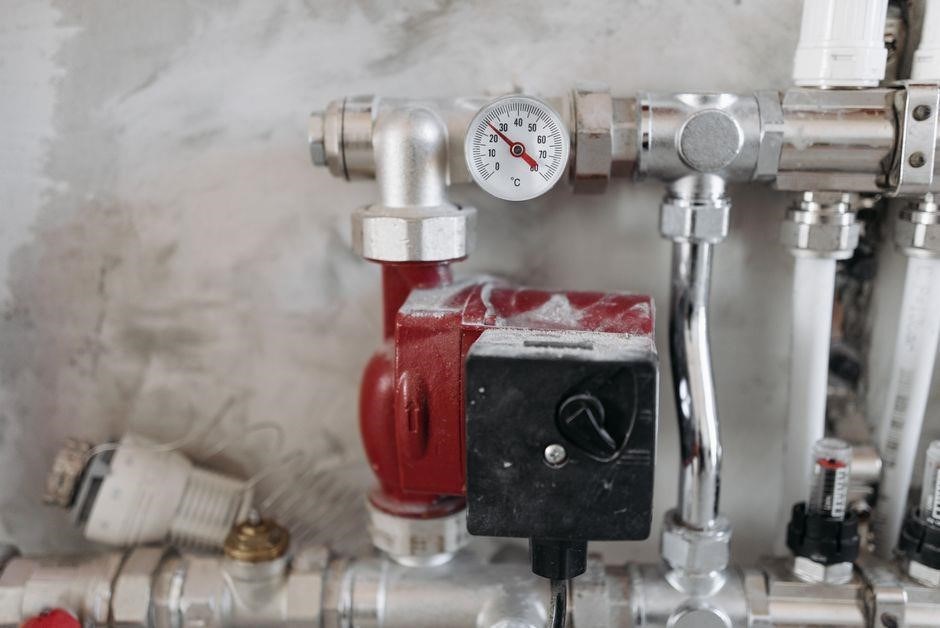
The crown boiler manual provides essential guidance for selecting‚ installing‚ and operating Crown’s diverse steam and water boiler lines. It covers system fundamentals‚ safety protocols‚ and troubleshooting tips to ensure reliable‚ efficient performance. It also details maintenance schedules and part replacement.
1;1 Purpose and Scope of the crown boiler manual
The Crown boiler manual is designed to serve as a comprehensive reference for engineers‚ technicians‚ and maintenance personnel responsible for the installation‚ operation‚ and upkeep of Crown’s steam and water boiler systems. Its primary purpose is to provide clear‚ step‑by‑step instructions that ensure compliance with industry standards‚ local codes‚ and environmental regulations while maximizing system efficiency and safety. The manual covers a wide range of topics‚ including:
- Detailed descriptions of each boiler model and series‚ such as BSI‚ 32 Series‚ ABF‑SPD‚ AWI095‚ 24‑05‚ and 24‑08.
- Site preparation guidelines‚ piping layouts‚ and electrical requirements.
- Ignition sequences‚ start‑up and shutdown procedures‚ and routine operational checks.
- Preventive maintenance schedules‚ cleaning methods‚ and inspection checklists.
- Troubleshooting charts for common faults and diagnostic steps.
- Safety features‚ emergency shutdown protocols‚ and compliance with national codes.
- Warranty information‚ service contacts‚ and links to downloadable schematics.
By following the manual‚ users can reduce downtime‚ extend equipment life‚ and maintain a safe working environment. It also serves as a training tool for new staff and a reference for experienced operators seeking to update their knowledge on the latest Crown boiler technologies.
The manual also includes appendices with quick‑reference tables‚ safety checklists‚ and a glossary of terms.
Crown Boiler Models and Series
Crown offers a range of boiler models‚ including the BSI‚ 32 Series‚ ABF‑SPD‚ AWI095‚ 24‑05‚ and 24‑08. Each series is engineered for specific applications‚ from industrial steam to residential heating‚ featuring robust construction‚ efficient burners‚ and advanced controls. Ideal for use‚ these units improve!!!
2.1 Overview of BSI‚ 32 Series‚ ABF‑SPD‚ AWI095‚ 24‑05‚ 24‑08
The Crown boiler manual presents a detailed profile of each major series‚ enabling users to match performance requirements with the right unit. The BSI series is a gas‑fired natural draft steam boiler engineered for high‑capacity industrial applications. It features a robust cast‑iron shell‚ modular construction for easy expansion‚ and an integrated safety system that automatically shuts down on over‑pressure or low‑water conditions. The 32 Series‚ including models such as 32‑475WSN‚ 32‑570WSN‚ and 32‑760WSN‚ is designed for efficient steam generation with advanced burner controls‚ low‑emission compliance‚ and a compact footprint that fits tight spaces. The ABF‑SPD series offers a compact‚ sealed‑combustion design suitable for small‑to‑medium commercial or institutional settings. It incorporates a dual‑zone burner for precise temperature control and built‑in safety interlocks that prevent unsafe operation. The AWI095 model is a versatile water‑heater unit that can function as a standalone system or as part of an indirect heating loop. It features a high‑efficiency heat exchanger‚ a digital temperature controller‚ and a modular piping layout that simplifies installation. The 24‑05 and 24‑08 series are 24‑hour continuous‑operation boilers that deliver reliable steam or hot water output for commercial facilities. They include dual‑zone burners‚ automatic pressure regulation‚ and a user‑friendly interface for remote monitoring and diagnostics. Together‚ these series cover a wide spectrum of heating needs—from large industrial steam plants to residential and commercial heating systems—ensuring that each application receives a tailored solution that meets performance‚ safety‚ and environmental standards. The manual also details recommended installation practices‚ routine maintenance schedules‚ and troubleshooting guidelines for each series‚ providing a comprehensive resource for operators‚ maintenance personnel‚ and engineers alike.

Installation Guidelines
Crown boiler manual outlines site prep‚ clearances‚ venting‚ piping‚ and safety checks. Follow local codes‚ secure foundations‚ and ensure proper draft. Use manufacturer‑approved accessories and verify pressure relief settings before first start. Verify connections meet ratings safely
3.1 Site Preparation and Boiler Placement
Before installing a Crown boiler‚ verify the foundation can support the unit’s weight and that the floor or wall structure meets the manufacturer’s load specifications. Ensure a minimum of 12 inches of clearance on all sides for maintenance access‚ and at least 18 inches behind the unit for safe venting. The boiler must be positioned on a level surface; use shims or a concrete slab to correct any unevenness. Install a dedicated electrical circuit with a 240‑volt supply‚ and connect the boiler’s control panel to a local control panel or building automation system. All piping connections should use Crown‑approved fittings‚ and the water supply line must be sized to accommodate the boiler’s maximum flow rate. The exhaust vent should be routed to the roof or a suitable vent stack‚ following local code requirements for height and flare length. Verify that the draft path is unobstructed and that the venting system is sealed to prevent backdraft. Use a pressure relief valve rated for the boiler’s maximum operating pressure‚ and place it on the water side of the boiler. Finally‚ check that the boiler’s location complies with fire‑resistance ratings of surrounding walls and that the unit is protected from direct sunlight or corrosive environments. After installation‚ perform a pressure test and a trial run to confirm proper operation and leak integrity. Ensure all safety valves are calibrated‚ and perform a final pressure test to confirm the boiler operates within design limits before commissioning. Document all installation details andretain the manual for future reference.
Operating Instructions
Follow Crown’s ignition sequence: verify water level‚ press start button‚ monitor pressure gauge. Adjust fuel valve to maintain 2.5‑3.0 psi. Use the safety cut‑off if temperature exceeds 200 °F. Shut down by turning off fuel and closing the water valve. Inspect seals regularly.
4.1 Ignition‚ Start-up‚ and Shutdown Procedures
Before ignition‚ ensure the boiler is correctly wired‚ the water level is within the marked range‚ and all safety valves are functioning. The control panel should display “Ready.” Turn the main power switch to ON‚ then press the ignition button. A pilot flame will ignite automatically; if it fails‚ check the spark module and gas supply.
Once the pilot is stable‚ open the fuel valve slowly. The boiler will begin to heat the water‚ and the pressure gauge will rise to the set point (typically 2.5–3.0 psi). Monitor the temperature gauge; it should not exceed 200 °F. When the desired pressure is reached‚ the boiler will automatically shut off the pilot and maintain steady operation.
During normal operation‚ adjust the thermostat to regulate the heat output. If the boiler overheats or the pressure drops below the minimum‚ the safety cut‑off will activate‚ shutting the system until the issue is resolved. Regularly inspect the pressure relief valve and ensure it is not blocked.
To shut down‚ first close the fuel valve‚ then press the shutdown button on the control panel. Wait until the pressure drops to the safe level before disconnecting power. Perform a post‑shutdown inspection: check for leaks‚ verify that the pressure gauge reads zero‚ and confirm that the pilot flame has extinguished. Record the shutdown in the maintenance log.
For detailed troubleshooting‚ consult the troubleshooting section of the Crown boiler manual. Follow all safety guidelines to ensure reliable operation and compliance with local regulations. Maintain a log of all maintenance activities and record dates. for reference!!

Maintenance and Troubleshooting
Routine inspection of the Crown boiler manual recommends checking water level‚ pressure gauge‚ and safety valves monthly. Clean heat exchanger fins to prevent scaling. Inspect burner for soot buildup; replace if necessary. Log all findings and schedule repairs promptly to maintain efficiency Bye!!!
5.1 Routine Inspection‚ Cleaning‚ and Common Faults
Routine inspection is critical for Crown boilers. According to the Crown boiler manual‚ operators should check the water level gauge‚ pressure gauge‚ and safety valve daily. The manual specifies the water level must be between the minimum and maximum marks. Pressure should not exceed the maximum rating. The safety valve should be tested weekly by applying a 5‑psi load and ensuring it releases and reseats properly.
Cleaning involves removing scale from the heat exchanger fins. The manual recommends using a non‑abrasive brush and a descaling solution. After cleaning‚ rinse thoroughly to avoid residue that can impair heat transfer. Burners should be inspected for soot and carbon buildup; if the flame appears yellow or irregular‚ clean the burner ports and replace the burner orifice.
Common faults include low water pressure‚ overheating‚ and erratic flame. Low pressure may result from a leak in the feedwater line or a faulty pressure regulator. Overheating can be caused by a blocked condensate drain. An erratic flame often indicates a clogged burner or incorrect gas pressure. The manual advises checking the gas supply‚ inspecting the burner assembly‚ and verifying the gas pressure with a manometer.
All inspections should be logged in the maintenance logbook. The Crown boiler manual stresses that any abnormal readings or symptoms must be reported to a qualified service technician. Following the recommended inspection and cleaning schedule will extend the boiler’s service life and maintain compliance with safety standards. Regular logs help trace trends.

Safety and Compliance
Crown boiler manual requires NFPA 85‚ ISO 9001‚ and local codes. It lists built‑in pressure relief‚ flame‑safety interlocks‚ and automatic shut‑off. Operators must perform daily checks‚ log results‚ and report anomalies to certified service teams. Compliance ensures safe‚ operation.
6.1 Safety Features‚ Codes‚ and Environmental Standards
Safety features in Crown boilers are engineered to meet stringent industry standards‚ ensuring reliable operation and protecting personnel. The manual specifies dual pressure relief valves calibrated to the maximum operating pressure‚ coupled with a flame‑safety interlock that halts combustion if flame detection fails. An automatic shut‑off system monitors temperature‚ pressure‚ and water level‚ triggering an alarm and stopping the burner if thresholds are exceeded. All electrical components are grounded per NFPA 70‚ and wiring is rated for the boiler’s ambient temperature. The manual mandates installation of a carbon monoxide detector in the vicinity of the boiler room‚ with continuous monitoring and a fail‑safe alarm that activates if CO levels rise above 50 ppm. Compliance with NFPA 85 and ISO 14001 is required; the manual provides a checklist for environmental impact assessments‚ including emissions monitoring for NOx‚ CO2‚ and particulate matter. Emission control devices such as catalytic converters and low‑NOx burners are recommended for high‑efficiency models. The manual also outlines a maintenance schedule that includes periodic inspection of flue gas composition‚ stack temperature‚ and heat transfer surfaces to detect fouling or corrosion. Documentation of each inspection‚ along with corrective actions‚ must be logged in a maintenance logbook and retained for at least five years. For installations above 2‚000 ft elevation‚ the manual advises adjusting the main burner orifice to accommodate reduced air density‚ ensuring optimal combustion. All safety features comply with local codes and standards!

Support and Resources
Warranty covers 2 years parts‚ 1 year labor. Contact local Crown dealer or call 1‑800‑CROWN. Download PDFs via Crown website. Service manuals‚ parts list‚ and troubleshooting guides available. Follow safety guidelines and update firmware; For emergencies‚ use the emergency stop button. Check compliance 2023 USA!!!
7.1 Warranty‚ Service Contacts‚ and Documentation Downloads
The crown boiler manual outlines a comprehensive warranty structure that protects both parts and labor. Standard coverage includes a two‑year parts warranty and a one‑year labor warranty‚ with extensions available for high‑volume installations. Warranty claims must be submitted within 30 days of the first service call‚ and all original receipts must accompany the request.
Service contacts are centralized through Crown’s global support network. For North America‚ call 1‑800‑CROWN‑HELP (1‑800‑266‑7463) or email support@crownboilers.com. International customers can access local representatives via the Crown website’s “Find a Dealer” tool‚ which lists authorized service centers by country and region. Emergency service is available 24/7 for critical failures; customers should activate the emergency stop and contact the nearest dealer immediately.
Documentation downloads are freely available on Crown’s official portal. Users can retrieve the latest installation guides‚ operating manuals‚ and maintenance checklists in PDF format. The portal also hosts troubleshooting wikis‚ FAQ sections‚ and downloadable parts catalogs. To ensure compliance with safety codes‚ download the most recent regulatory compliance sheet and keep a copy in the boiler room for audit purposes.
Advanced diagnostics are supported by Crown Connect‚ offering real‑time monitoring‚ analytics‚ and predictive alerts. Subscription details‚ pricing‚ and trial periods are listed on the Crown Connect page. Documentation updates annually to reflect environmental standards and industry best practices.
Warranty technicians must hold a Crown‑certified badge and complete the annual safety refresher. They perform full system checks‚ including pressure tests and burner calibration. Deviations are logged and reported to Crown’s quality team. Crown also offers a digital service log to track maintenance history and spot potential issues.
Docs in Eng.
Be First to Comment